Korea's May Day Is Finally Called May Day Again — What the 63-Year Name Change Really Meant
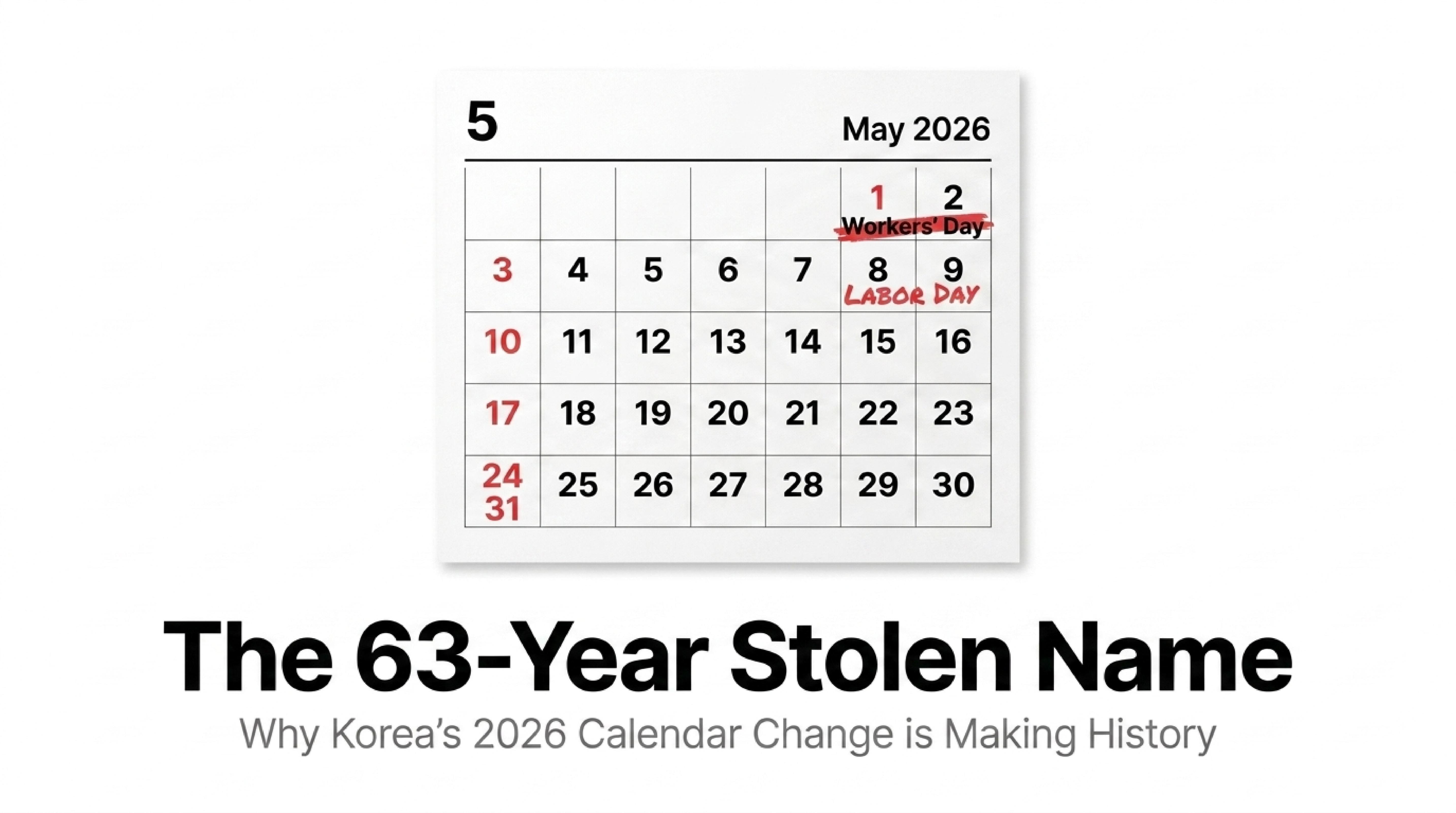
Korea Just Restored a Name That Was Taken Away 63 Years Ago
If you flip through a 2026 Korean calendar, May 1st looks a little different from previous years. The holiday that Koreans have known all their lives as "Workers' Day" (근로자의 날, Geulloja-ui Nal) now carries a new name — or rather, its original one: Labor Day (노동절, Nodong-jeol).
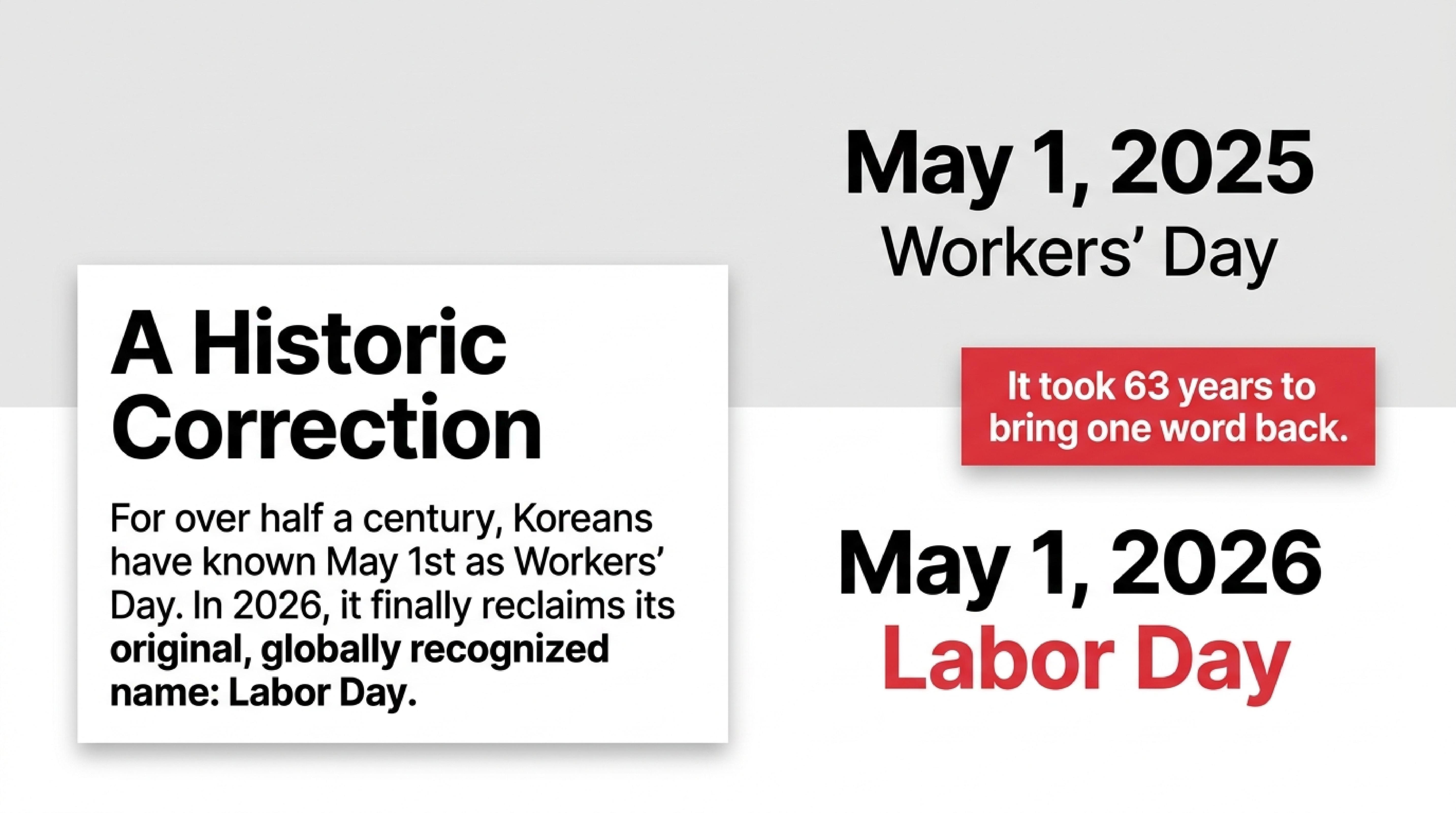
For younger Koreans, the name "Labor Day" might sound unfamiliar. That's because it took 63 years to bring it back. The name was quietly changed to the politically sanitized "Workers' Day" by a military government in 1963 — and it stayed that way for over half a century. Its restoration in 2026 is a genuinely historic moment.
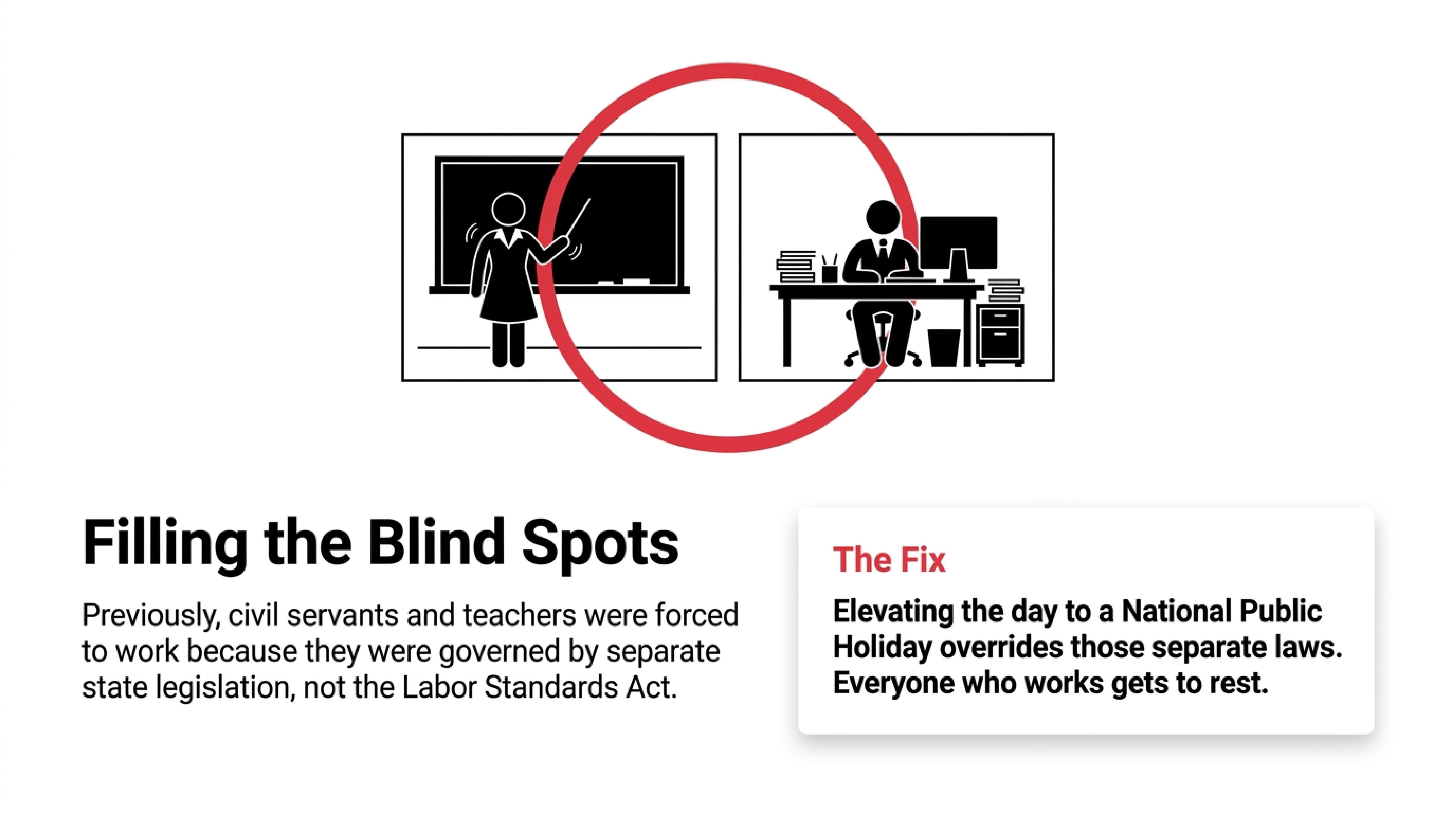
But this change is about more than a name on the calendar. Under the old "Workers' Day" framework, only employees covered by the Labor Standards Act were entitled to the day off — meaning civil servants, teachers, and others in public-sector roles were expected to report to work as normal. A "holiday" that excluded a large portion of the workforce was really only a half-holiday. Starting in 2026, May 1st has been redesignated as a national public holiday, giving every worker in the country the day off.
So why does one word on a calendar carry such weight — and why does it resonate so strongly across Korean society? Beyond simply gaining one more red-letter day off, there's a deeper significance to this 63-year homecoming worth exploring carefully.
Where Did May Day Come From? The Story Behind the Date
On May 1, 1886, workers in Chicago, Illinois took to the streets with fierce determination.
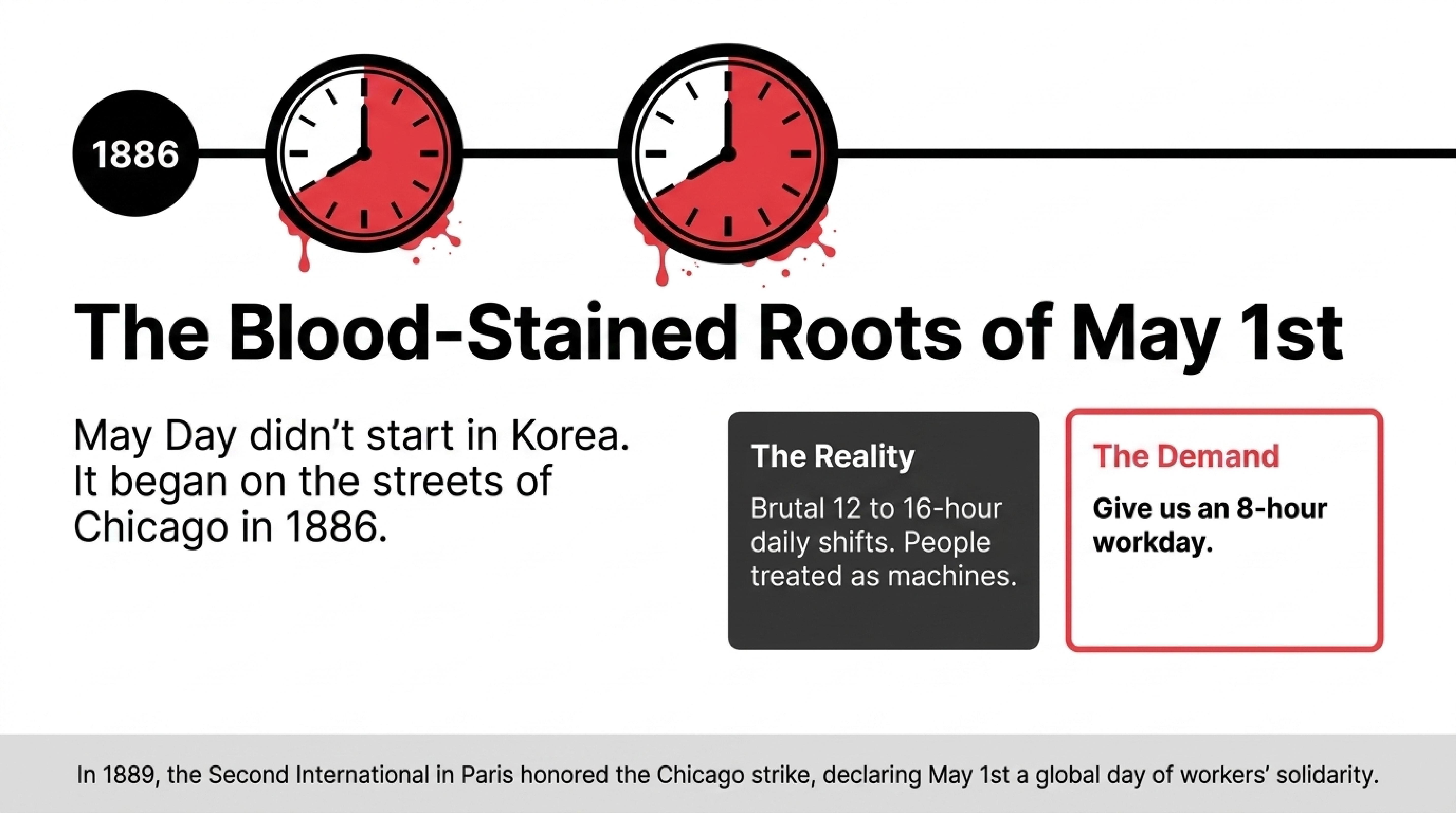
At the time, workers were enduring brutal 12 to 16-hour shifts every day. Their demand was as simple as it was radical for the era: "Give us an 8-hour workday." It was a desperate cry for a life worth living from people who had been treated as machines. The strike tragically escalated into the Haymarket affair, resulting in bloodshed and loss of life — but it ignited a global awakening around workers' rights.
In 1889, the founding congress of the Second International in Paris declared May 1st "May Day" in honor of the Chicago workers' struggle. The first international May Day demonstrations followed in 1890, and the date has since grown into a globally observed day of workers' solidarity and rights. The 8-hour workday that most of us now take completely for granted has its roots in that hard-fought, blood-stained history.
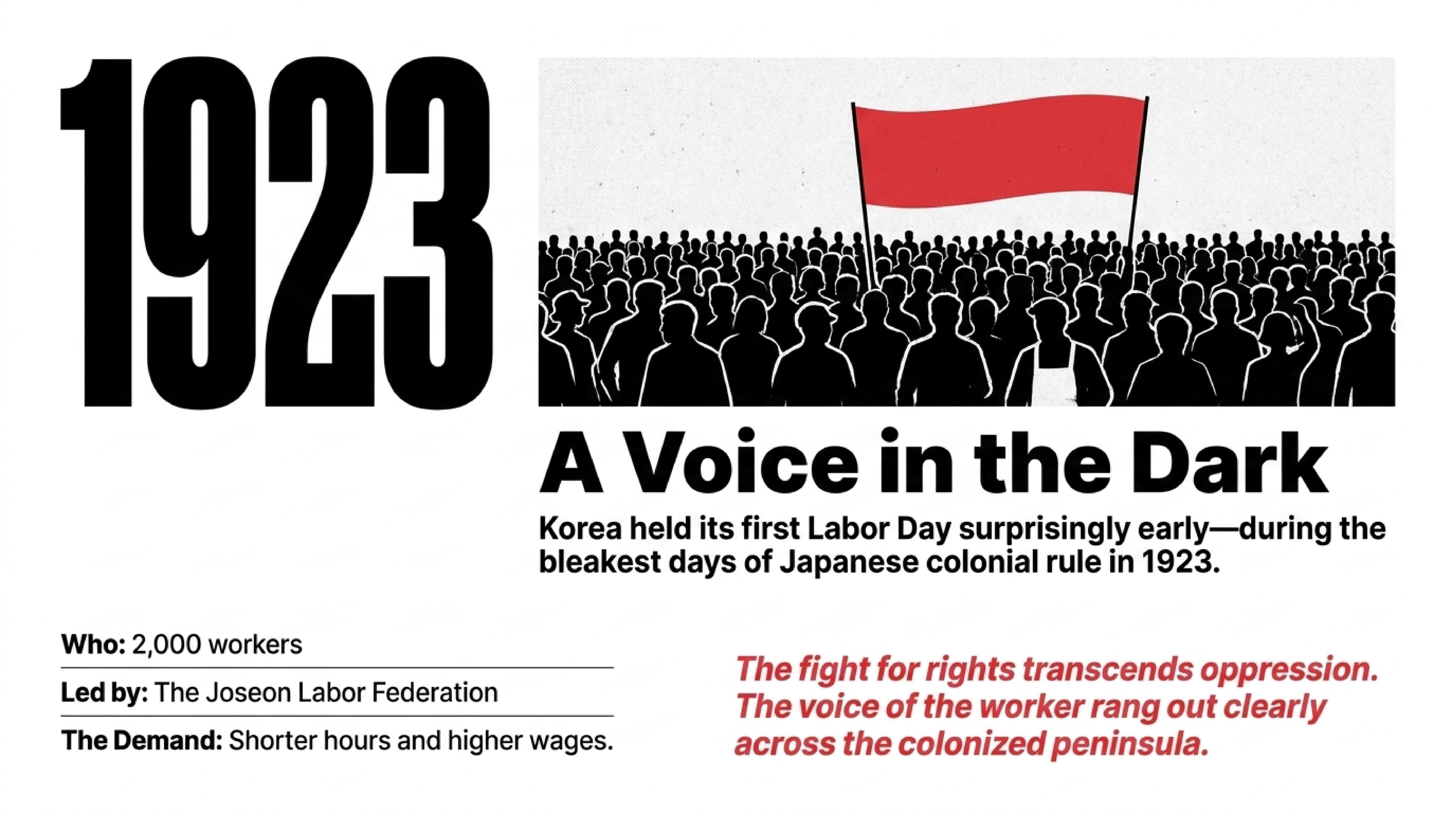
When did Korea first observe this day? Surprisingly early. The first Korean Labor Day was held in 1923 — during the Japanese colonial period. Around 2,000 workers gathered under the leadership of the Joseon Labor Federation to hold Korea's inaugural Labor Day event, calling for shorter working hours and higher wages. Even in the bleak and oppressive circumstances of a colonized nation, the voice of workers demanding their rights rang out clearly across the Korean peninsula.
Why Did Korea's Military Government Rename It — and What Was the Political Agenda?
In 1963, the military government quietly renamed "Labor Day" to "Workers' Day." The political motivation was significant: the word "labor" (노동, nodong) had become ideologically charged in Cold War Korea. In a country still divided by the Korean War, the term evoked associations with North Korea and socialism — so the government scrubbed it from the calendar. The perfectly ordinary act of working for a living had been reframed through an ideological lens.
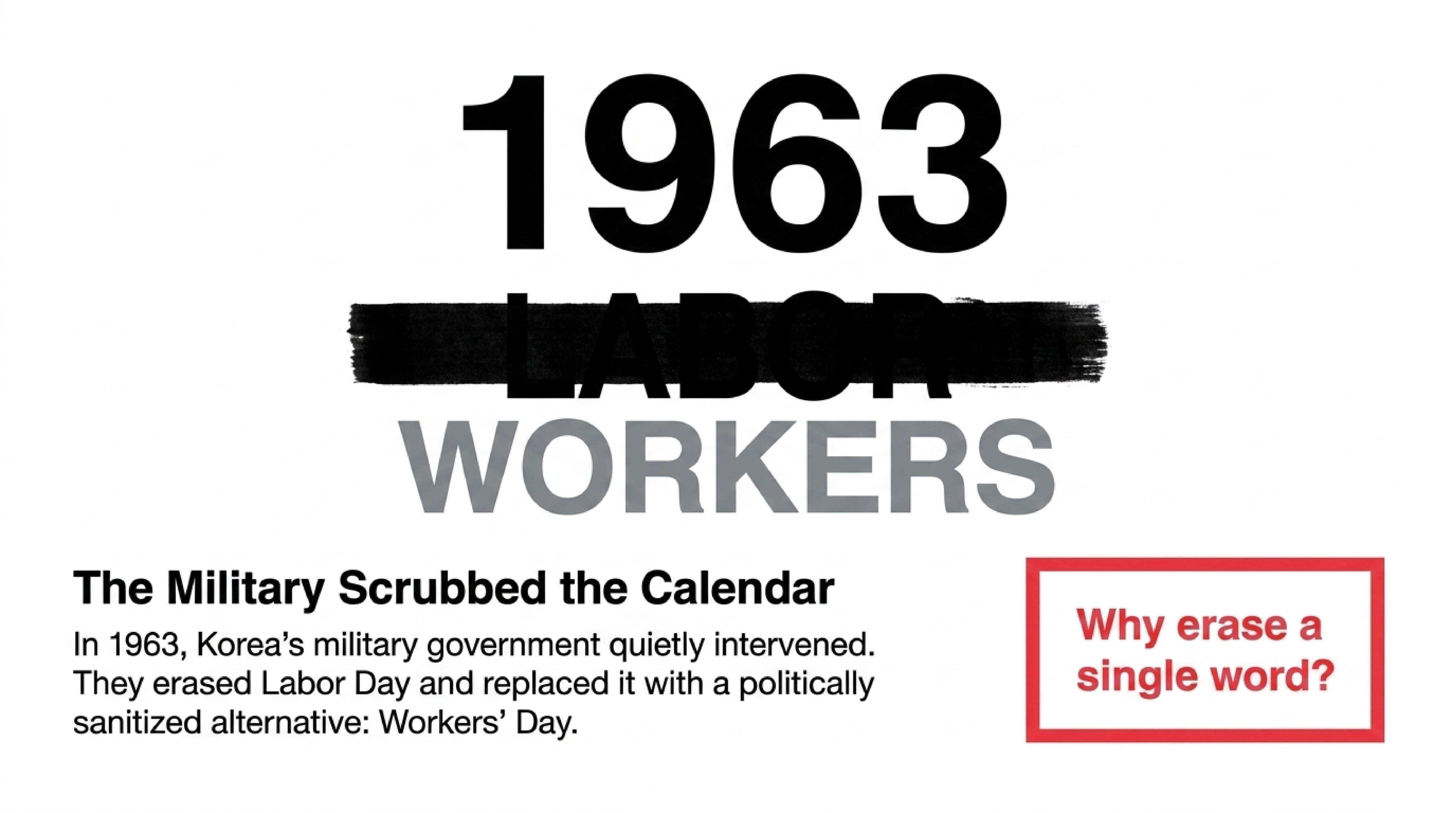
Why "Workers" specifically? The choice reflected a deliberate intent: rather than workers who actively assert their rights, the government preferred an image of people who diligently and obediently work for the state and their employers. Renaming the holiday was a subtle but telling move — a way of framing the ideal worker as a compliant, controllable laborer rather than an empowered rights-holder. It's a bitter chapter of history hidden in plain sight on the calendar.
What did 63 years under that renamed label do to Korea's social consciousness? It's worth asking whether spending decades branded as "workers" — rather than "laborers" with rights — subtly conditioned Korean society to think of itself as something to be managed rather than empowered. The restoration of the original name is an opportunity to reflect on how a single word shapes identity over generations. It's time to shed that old framing and sit with what the name's return really means.

"Workers" vs. "Laborers" — Why the Word Choice Matters More Than It Sounds
In Korean, the two terms used to describe working people carry meaningfully different connotations — and the distinction gets lost in translation.
근로 (Geulloja / "Workers") is written with Chinese characters meaning "diligent" and "work." On the surface it sounds virtuous — hardworking, conscientious. But look closer and the term carries a passive undertone: working quietly and obediently as directed by a state or employer. It has a painful historical shadow too — during the Japanese colonial era, the same character was used in "Geulloja Bogukdae" (근로보국대), a forced labor mobilization corps used to conscript Koreans into wartime labor for the empire.
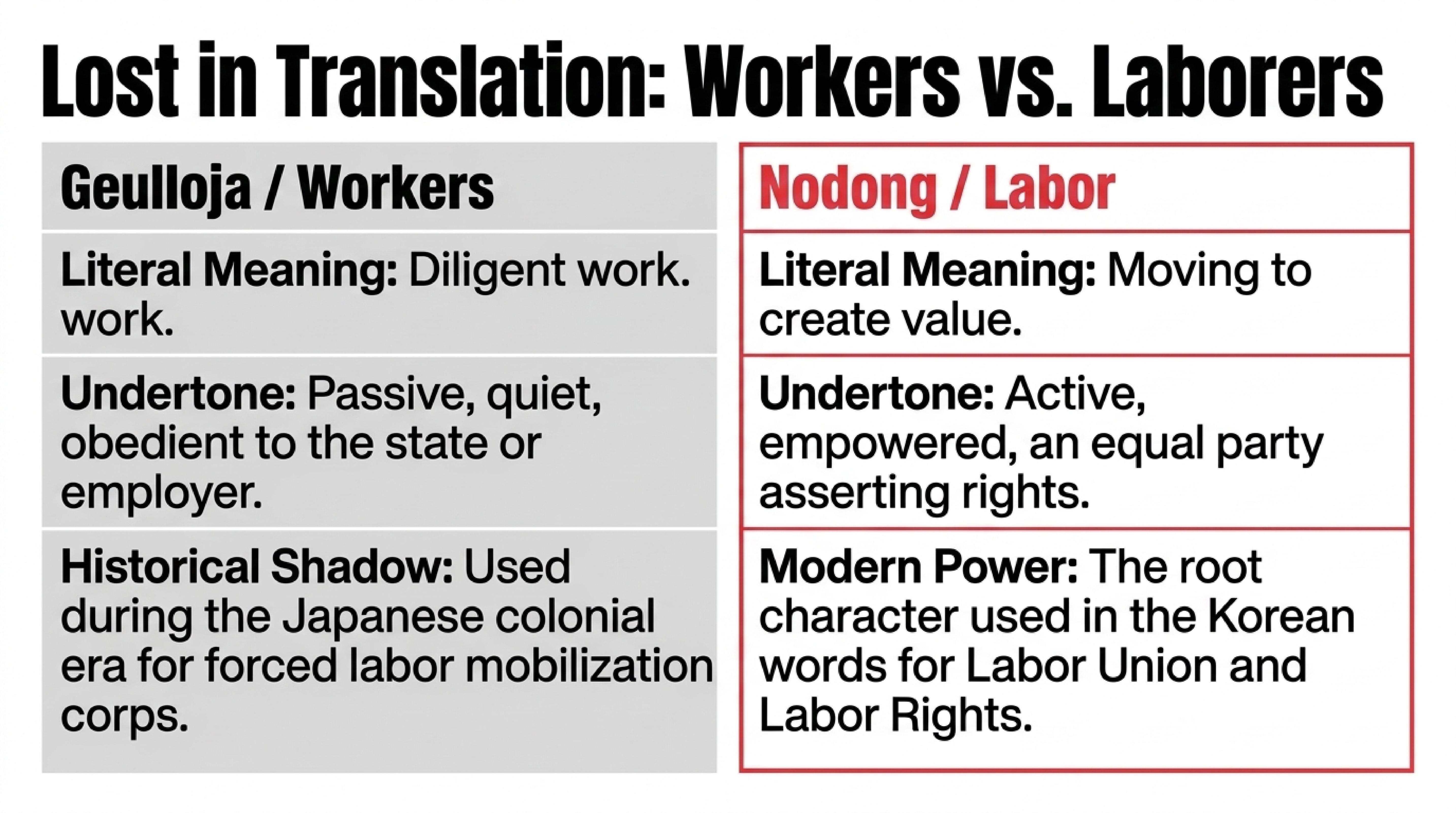
노동 (Nodong / "Labor"), by contrast, is written with characters meaning "work" and "movement." The meaning is active: moving one's body of one's own accord to create value. It carries a sense of agency — offering one's labor as an equal party in an exchange and asserting the right to fair compensation. It's no coincidence that in Korean, the words for "labor union" (노동조합) and "the three fundamental labor rights" (노동3권) all use this character. Labor rights language in Korea is built on this word.
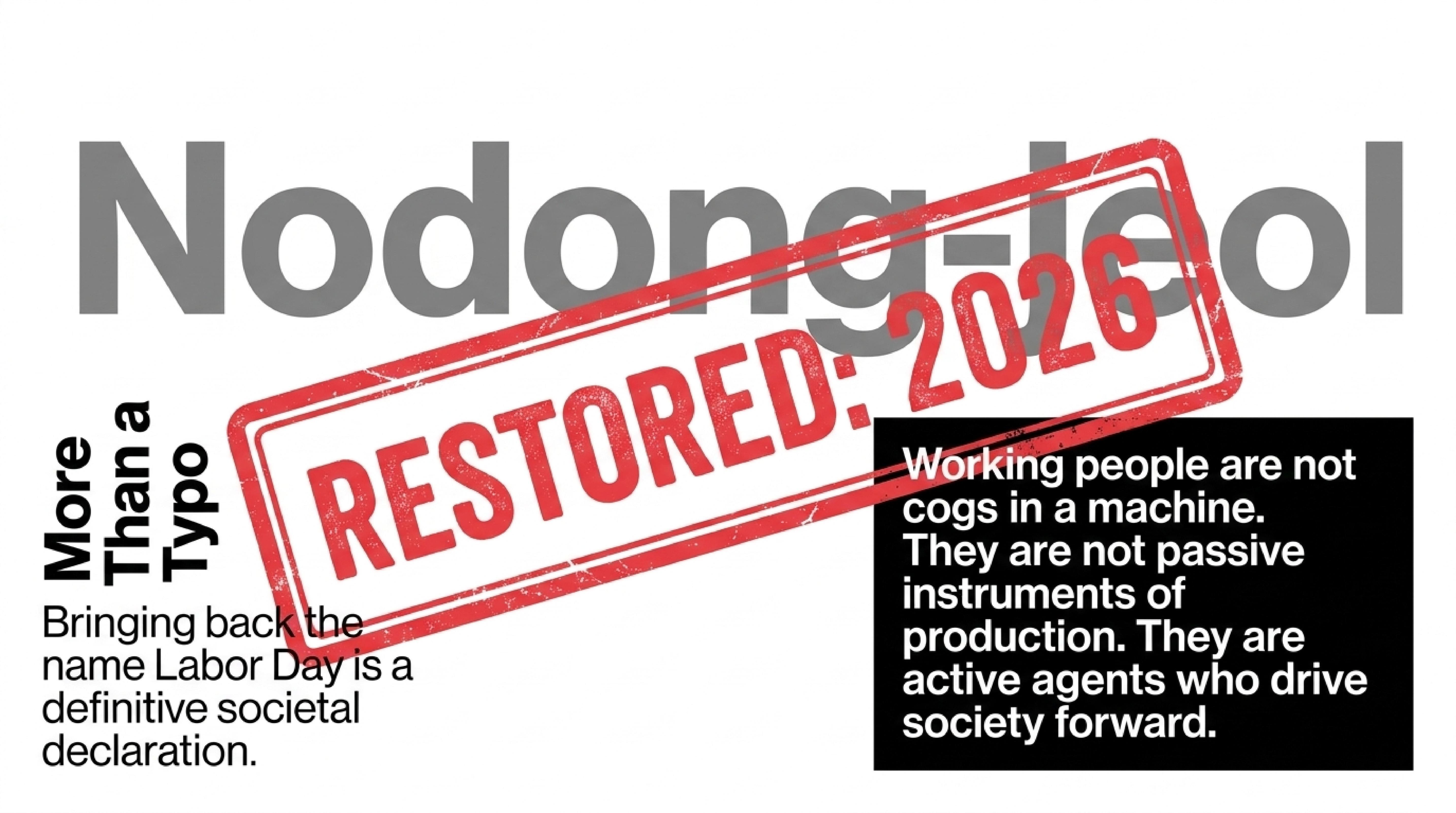
Names define the things they label. Restoring "Labor Day" after 63 years is not merely a typographical update on a calendar. It is a declaration that working people are not cogs in a machine or passive instruments of production — they are active agents who drive society forward and hold rights worth asserting.

Perhaps it's time to think of ourselves — and to be thought of — not as compliant "workers" dutifully doing as told, but as "laborers" who stand up for their rights and carve out lives of dignity. As the name returns to its rightful place, here's hoping our standing and rights in the workplace become equally stronger.
Now a National Public Holiday — What Changes in Practice?
For years, May 1st occupied a confusing in-between status in Korea — officially a "paid holiday" but not a "public holiday," meaning it showed up in black text on the calendar rather than the red that signals a universal day off. The confusion was real: many employees weren't sure whether they were actually entitled to take the day, and those outside the private sector simply weren't. That ambiguity is now gone. Starting in 2026, May 1st appears in red — and everyone gets the day.

The most welcome change is perhaps the simplest: no more guilt about taking the day off, no more patchwork rules that vary from employer to employer. The practical benefits of the public holiday designation come down to two things:
- Ending arbitrary inequality: The frustrating patchwork of different rest rules — where some employees got the day and others didn't — is eliminated.
- A truly universal day of rest: Regardless of job type or employment status, equal rest is now guaranteed for everyone.
Does this finally cover the blind spots — groups like civil servants and teachers who were previously left out? Yes, it does. Under the old "Workers' Day" structure, civil servants and teachers fell under separate legislation (like the State Public Officials Act rather than the Labor Standards Act) and were therefore required to work as normal. With the name restored and the day elevated to a national public holiday, they are now fully included. A day of rest for everyone who works — that's what Labor Day was always supposed to be.

Here's to a Future Where Work Is Genuinely Valued
Restoring the name and making May 1st a full national public holiday for the first time in 63 years is more than gaining one extra day off. It marks a reclaiming of what labor actually means — and a new starting point for Korean society to genuinely respect the people who do the work. The sweat and effort that was once framed as passive "toiling" under the old label is now fully recognized as active, dignified, rights-bearing labor.
Whatever you do for a living, the work you show up for every day is something of real value. Every drop of effort people put in is one of the most powerful forces moving the world forward.
- The time endured on a packed train heading to work before dawn
- The hours spent wrestling with problems at a screen or on a job site
All of that quietly holds up the fabric of ordinary daily life. There are days that are exhausting, days that feel thankless — but none of it is wasted. This name restoration and the elevation to a universal holiday say so plainly.
As this first May Day under its rightful name approaches, why not mark it with a small ritual just for yourself?
- Set every work task aside and take a day of genuinely restorative rest — no guilt, no checking in
- Look in the mirror and quietly say: "You've been working hard. That matters."
Send yourself some gratitude first — and then enjoy real rest. Recharge fully, so tomorrow's work can be even better. Here's to a future where every person's labor is fairly recognized and genuinely respected.
Frequently Asked Questions
Q. Is "Labor Day" on a different date from the old "Workers' Day"?
A. No — both fall on May 1st. The date has not changed.
May 1st was renamed "Workers' Day" in 1963. Starting in 2026, 63 years later, it reverts to its original name: "Labor Day." Only the name has changed — the date stays the same.

Q. If an employee has to work on Labor Day now that it's a public holiday, how is pay calculated?
A. Since Labor Day is now a designated public holiday, employees required to work must be compensated with holiday work premium pay under the Labor Standards Act:
- Up to 8 hours worked: 150% of regular wages
- Over 8 hours worked: 200% of regular wages
As a legally designated holiday, Labor Day cannot in principle be substituted with a different day off — if you work, the premium pay applies.
Q. What exactly is the difference between the two Korean words for "work"?
A. The two terms differ significantly in both their characters and their implied meaning:
- 근로 (Geulloja / "diligent work"): Literally "working diligently" — but carries a passive connotation of quietly fulfilling tasks as directed by a state or employer, without asserting independent will.
- 노동 (Nodong / "labor"): "Moving one's body to create value" — carries an active, empowered meaning: offering one's labor as an equal party and claiming the right to fair compensation.
In short, restoring the name is a declaration that working people are not passive instruments — they are rights-bearing agents who deserve to be treated as such.

Q. Can civil servants and teachers take the day off on Labor Day now?
A. Yes! Civil servants and teachers are now fully entitled to the day off on Labor Day.
Under the old "Workers' Day" setup, the holiday applied only to those covered by the Labor Standards Act — which excluded civil servants and public-sector employees governed by separate legislation. They were required to work normally. Now that May 1st is a national public holiday, it applies universally regardless of employment type. Everyone who works gets to rest.

References
Labor Day Designated as National Public Holiday for First Time in 63 Years — Yonhap News
https://www.yna.co.kr/view/AKR20260406036600530
The Difference Between Workers' Day and Labor Day — Name Changes and Public Holiday Developments from 2026
https://blog.glosign.com/post/...
May 1st Labor Day — A History Written in Workers' Blood [History & Today]
https://www.news1.kr/world/usa-canada/5401865
'Labor Day' Returns After 62 Years — What's the Difference Between the Two Korean Terms?